
Breaking Down the Silos: Integrating AI Across Martech Platforms for Holistic Marketing
 Kunal Dhameja,
2 years ago
16 min read
Kunal Dhameja,
2 years ago
16 min read

-
Table of Contents
- Introduction
- Understanding the Importance of Breaking Down Silos in Martech
- How AI Integration Enhances Cross-Platform Marketing Strategies
- Key Challenges in Merging AI with Existing Martech Systems
- Case Studies: Successful AI Integration Across Martech Platforms
- Future Trends: The Role of AI in Creating Unified Marketing Ecosystems
- Q&A
- Conclusion
“Unify, Innovate, Elevate: Harnessing AI for Seamless Martech Synergy”
Introduction
“Breaking Down the Silos: Integrating AI Across Martech Platforms for Holistic Marketing” explores the transformative potential of artificial intelligence in unifying disparate marketing technologies to create a seamless, cohesive strategy. As businesses increasingly rely on a multitude of marketing technology (martech) tools, the challenge of siloed data and fragmented processes becomes more pronounced. This integration not only enhances data-driven decision-making but also fosters a more personalized and efficient customer experience. By leveraging AI, marketers can bridge the gaps between various platforms, ensuring that insights and strategies are aligned across all channels. This approach not only optimizes marketing efforts but also drives innovation and growth in an ever-evolving digital landscape.
Understanding the Importance of Breaking Down Silos in Martech
In the rapidly evolving landscape of marketing technology, the integration of artificial intelligence (AI) across martech platforms has become a pivotal strategy for achieving holistic marketing. As businesses strive to deliver personalized and seamless customer experiences, the traditional silos that once characterized martech stacks are increasingly seen as barriers to success. Understanding the importance of breaking down these silos is essential for organizations aiming to harness the full potential of AI and drive more effective marketing outcomes.
To begin with, the concept of silos in martech refers to the compartmentalization of data, tools, and processes within an organization. These silos often result from the adoption of disparate technologies that do not communicate effectively with one another. Consequently, marketing teams face challenges in accessing a unified view of customer data, leading to fragmented insights and disjointed customer experiences. In this context, the integration of AI across martech platforms emerges as a solution to bridge these gaps and foster a more cohesive marketing strategy.
AI, with its ability to process vast amounts of data and generate actionable insights, plays a crucial role in breaking down these silos. By integrating AI into martech platforms, organizations can create a centralized hub where data from various sources converges. This integration enables marketers to gain a comprehensive understanding of customer behavior, preferences, and interactions across multiple touchpoints. As a result, marketing efforts can be more precisely targeted and tailored, enhancing the overall customer journey.
Moreover, the integration of AI facilitates real-time data analysis, which is instrumental in today’s fast-paced digital environment. Traditional marketing approaches often rely on historical data, which may not accurately reflect current customer needs or market trends. AI, on the other hand, can analyze data as it is generated, providing marketers with up-to-the-minute insights. This capability allows for more agile decision-making and the ability to quickly adapt marketing strategies in response to changing conditions.
In addition to improving data analysis, AI integration across martech platforms also enhances automation capabilities. By automating routine tasks such as data entry, segmentation, and campaign management, AI frees up valuable time for marketing teams to focus on strategic initiatives. This shift not only increases operational efficiency but also empowers marketers to experiment with innovative approaches and optimize their campaigns for better results.
Furthermore, breaking down silos through AI integration fosters collaboration across departments. When data and insights are accessible to all relevant stakeholders, it encourages cross-functional teams to work together towards common goals. This collaborative approach ensures that marketing strategies are aligned with broader business objectives, ultimately driving growth and success.
In conclusion, the importance of breaking down silos in martech cannot be overstated. As organizations seek to deliver more personalized and effective marketing experiences, the integration of AI across martech platforms emerges as a critical enabler. By unifying data, enhancing real-time analysis, automating processes, and promoting collaboration, AI helps organizations overcome the limitations of traditional silos. As a result, businesses can achieve a more holistic marketing approach that not only meets but exceeds customer expectations, paving the way for sustained competitive advantage in the digital age.
How AI Integration Enhances Cross-Platform Marketing Strategies
In the rapidly evolving landscape of digital marketing, the integration of artificial intelligence (AI) across marketing technology (martech) platforms is becoming increasingly essential for businesses aiming to create cohesive and effective marketing strategies. As companies strive to deliver personalized experiences to their customers, the need for a seamless flow of data and insights across various platforms has never been more critical. AI integration serves as a powerful catalyst in breaking down the silos that traditionally exist between different martech tools, enabling marketers to harness the full potential of their data and resources.
One of the primary benefits of integrating AI across martech platforms is the ability to achieve a unified view of the customer. By consolidating data from disparate sources such as social media, email marketing, customer relationship management (CRM) systems, and analytics tools, AI can provide a comprehensive understanding of customer behavior and preferences. This holistic view allows marketers to craft more targeted and relevant campaigns, ultimately enhancing customer engagement and satisfaction. Moreover, AI-driven insights can help identify patterns and trends that may not be immediately apparent, offering a competitive edge in the crowded digital marketplace.
In addition to providing a unified customer view, AI integration facilitates real-time decision-making, which is crucial in today’s fast-paced marketing environment. By automating data analysis and interpretation, AI enables marketers to respond swiftly to changing market conditions and consumer behaviors. This agility is particularly valuable in cross-platform marketing strategies, where timely adjustments can significantly impact campaign performance. For instance, AI can dynamically adjust ad placements or content recommendations based on real-time data, ensuring that marketing efforts remain relevant and effective.
Furthermore, AI integration enhances the efficiency of marketing operations by automating routine tasks and processes. This automation not only reduces the burden on marketing teams but also minimizes the risk of human error. For example, AI can streamline the process of segmenting audiences, personalizing content, and optimizing ad spend, allowing marketers to focus on more strategic initiatives. As a result, businesses can achieve greater scalability and productivity, maximizing the return on their marketing investments.
Another significant advantage of AI integration is its ability to foster collaboration across different departments and teams within an organization. By providing a centralized platform for data sharing and analysis, AI encourages cross-functional collaboration, breaking down the barriers that often exist between marketing, sales, and customer service teams. This collaborative approach ensures that all stakeholders are aligned in their efforts to deliver a consistent and cohesive customer experience, further strengthening the overall marketing strategy.
As AI continues to evolve, its integration across martech platforms will undoubtedly become more sophisticated, offering even greater opportunities for innovation and growth. However, it is essential for businesses to approach AI integration thoughtfully, considering factors such as data privacy, ethical considerations, and the need for ongoing training and support. By doing so, companies can fully leverage the transformative power of AI to enhance their cross-platform marketing strategies, driving success in an increasingly competitive digital landscape.
In conclusion, the integration of AI across martech platforms represents a paradigm shift in how businesses approach marketing. By breaking down silos and enabling a more holistic view of the customer, AI empowers marketers to create more personalized, efficient, and effective campaigns. As organizations continue to embrace this technology, they will be better positioned to navigate the complexities of the digital age, ultimately achieving greater success in their marketing endeavors.
Key Challenges in Merging AI with Existing Martech Systems
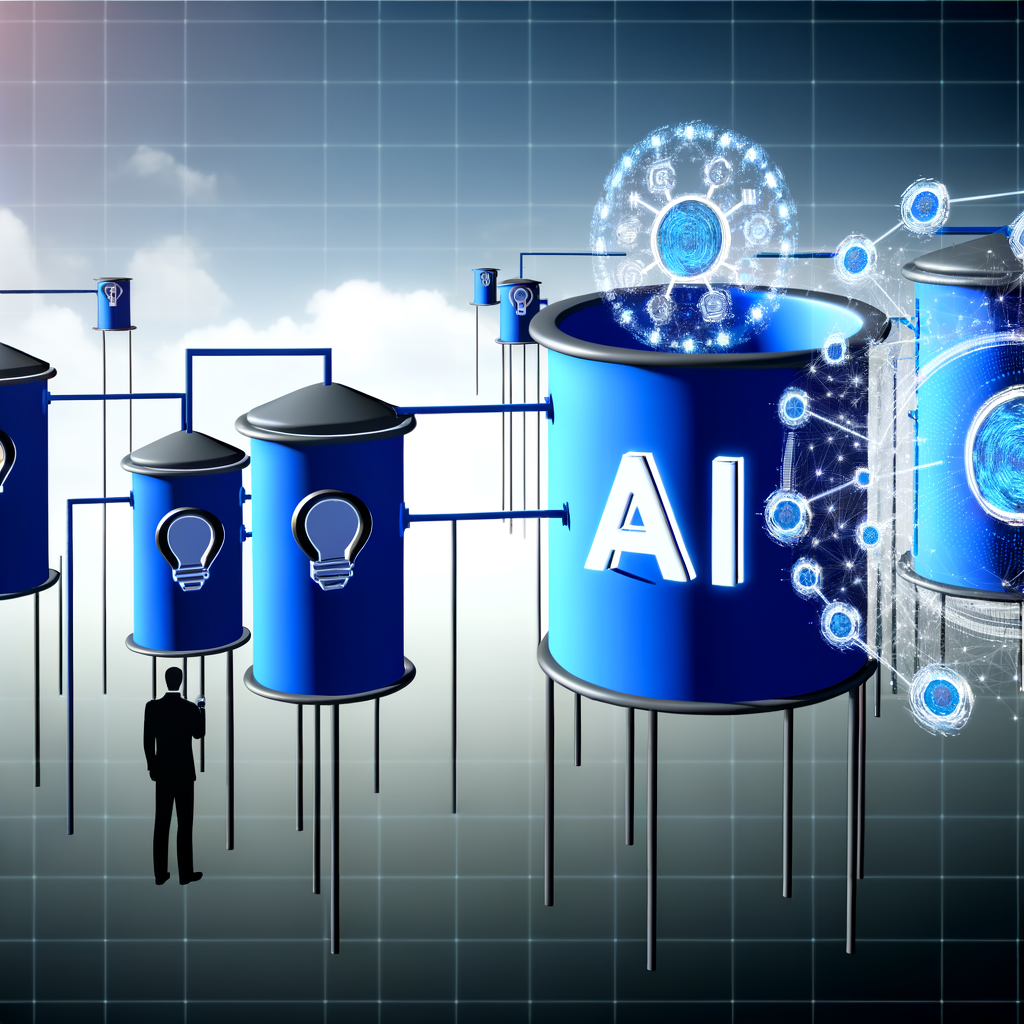
Integrating artificial intelligence (AI) into existing marketing technology (martech) systems presents a myriad of challenges that marketers must navigate to achieve a seamless and holistic marketing strategy. As organizations strive to break down silos and create a unified approach, they encounter several key obstacles that require careful consideration and strategic planning. One of the primary challenges is the complexity of existing martech ecosystems. Many organizations have accumulated a diverse array of tools and platforms over the years, each serving a specific function within the marketing process. These systems often operate independently, leading to fragmented data and disjointed workflows. Integrating AI into this mix necessitates a comprehensive understanding of how these tools interact and the ability to harmonize them into a cohesive unit.
Moreover, data integration poses a significant hurdle. AI thrives on data, requiring vast amounts of information to learn and make informed decisions. However, data within martech systems is frequently siloed, residing in disparate databases and formats. This fragmentation not only complicates the integration process but also hinders the AI’s ability to deliver accurate insights. To overcome this, organizations must invest in robust data management solutions that facilitate seamless data flow and ensure data quality and consistency across platforms.
In addition to data challenges, there is the issue of technological compatibility. Martech systems are often built on different architectures and use varying protocols, making it difficult for AI solutions to interface with them effectively. This lack of standardization can lead to integration bottlenecks, requiring custom development and significant IT resources to bridge the gaps. Consequently, organizations must carefully evaluate their existing infrastructure and consider adopting more flexible, open systems that can accommodate AI technologies with minimal friction.
Furthermore, the human element cannot be overlooked. Integrating AI into martech systems necessitates a shift in organizational culture and mindset. Employees may resist change, fearing that AI will render their roles obsolete or alter established workflows. To address this, organizations must foster a culture of collaboration and continuous learning, emphasizing the role of AI as a tool that augments human capabilities rather than replacing them. Providing training and support can help ease the transition and empower employees to leverage AI effectively in their daily tasks.
Security and privacy concerns also loom large in the integration process. As AI systems access and process vast amounts of sensitive customer data, ensuring compliance with data protection regulations becomes paramount. Organizations must implement robust security measures and establish clear data governance policies to safeguard customer information and maintain trust. This requires a delicate balance between leveraging AI’s capabilities and adhering to legal and ethical standards.
Finally, measuring the success of AI integration presents its own set of challenges. Traditional metrics may not adequately capture the nuanced benefits that AI brings to martech systems. Organizations must develop new performance indicators that reflect the enhanced customer experiences, improved decision-making, and increased operational efficiencies that AI can deliver. This requires a shift in focus from short-term gains to long-term value creation, aligning AI initiatives with broader business objectives.
In conclusion, while integrating AI into existing martech systems is fraught with challenges, it also offers immense potential for organizations willing to navigate these complexities. By addressing issues related to data integration, technological compatibility, organizational culture, security, and performance measurement, businesses can break down silos and create a more holistic marketing approach. This, in turn, enables them to harness the full power of AI, driving innovation and delivering superior customer experiences in an increasingly competitive landscape.
Case Studies: Successful AI Integration Across Martech Platforms
In the rapidly evolving landscape of marketing technology, the integration of artificial intelligence (AI) across martech platforms has emerged as a transformative force, breaking down traditional silos and fostering a more holistic approach to marketing. This shift is not merely theoretical; numerous case studies illustrate the tangible benefits of AI integration, showcasing how companies have successfully harnessed this technology to enhance their marketing strategies.
One compelling example is that of a global retail brand that sought to unify its disparate marketing efforts. Previously, the brand’s marketing operations were fragmented, with different teams using separate platforms for email marketing, social media, and customer relationship management. This siloed approach led to inefficiencies and a disjointed customer experience. By integrating AI across these platforms, the brand was able to create a seamless marketing ecosystem. AI algorithms analyzed data from various touchpoints, providing insights that enabled the brand to deliver personalized content to customers at the right time and through the right channel. As a result, the brand saw a significant increase in customer engagement and conversion rates.
Transitioning to another case, a financial services company faced the challenge of managing vast amounts of customer data spread across multiple platforms. The company integrated AI to streamline data processing and analysis, allowing for a more comprehensive understanding of customer behavior. AI-powered predictive analytics enabled the company to anticipate customer needs and tailor their marketing efforts accordingly. This integration not only improved customer satisfaction but also led to a notable increase in cross-selling opportunities, demonstrating the power of AI in enhancing customer relationships and driving business growth.
Furthermore, a leading e-commerce platform provides another illustrative case of successful AI integration. The platform utilized AI to optimize its advertising spend across various channels. By analyzing historical data and real-time market trends, AI algorithms were able to allocate budget more effectively, ensuring that marketing dollars were spent where they would yield the highest return on investment. This strategic use of AI resulted in a substantial reduction in customer acquisition costs and an increase in overall profitability.
In addition to these examples, a telecommunications company leveraged AI to enhance its customer service operations. By integrating AI-driven chatbots across its martech platforms, the company was able to provide instant, 24/7 support to customers. These chatbots, equipped with natural language processing capabilities, could handle a wide range of inquiries, freeing up human agents to focus on more complex issues. This integration not only improved response times and customer satisfaction but also reduced operational costs, highlighting the multifaceted benefits of AI in marketing.
These case studies collectively underscore the potential of AI to break down silos and create a more integrated marketing approach. By leveraging AI, companies can unify their marketing efforts, gain deeper insights into customer behavior, and deliver more personalized and effective marketing campaigns. As the martech landscape continues to evolve, the integration of AI across platforms will undoubtedly play a crucial role in shaping the future of marketing, offering companies a competitive edge in an increasingly digital world. Through these real-world examples, it becomes evident that the strategic integration of AI is not just a trend but a necessity for businesses aiming to thrive in today’s dynamic market environment.
Future Trends: The Role of AI in Creating Unified Marketing Ecosystems
In the rapidly evolving landscape of marketing technology, the integration of artificial intelligence (AI) across martech platforms is emerging as a pivotal trend, promising to dismantle the silos that have long hindered holistic marketing strategies. As businesses strive to create more cohesive and personalized customer experiences, the role of AI in unifying disparate marketing tools and data sources is becoming increasingly indispensable. This transformation is not merely a technological upgrade but a fundamental shift towards a more interconnected and efficient marketing ecosystem.
To begin with, the traditional marketing environment is often characterized by fragmented systems, where data is isolated within specific platforms, leading to inefficiencies and a lack of comprehensive insights. AI, with its ability to process and analyze vast amounts of data in real-time, offers a solution to this fragmentation. By integrating AI across various martech platforms, businesses can break down these silos, enabling seamless data flow and fostering a more unified approach to marketing. This integration allows for the creation of a single source of truth, where data from customer relationship management (CRM) systems, social media platforms, email marketing tools, and other channels converge to provide a holistic view of the customer journey.
Moreover, AI’s role in this integration extends beyond mere data consolidation. It enhances the ability to derive actionable insights from the unified data, empowering marketers to make informed decisions. For instance, AI-driven analytics can identify patterns and trends that might be invisible to the human eye, offering predictive insights that help in anticipating customer needs and preferences. This predictive capability is crucial for crafting personalized marketing strategies that resonate with individual customers, thereby enhancing engagement and loyalty.
In addition to improving data analysis, AI facilitates automation across martech platforms, streamlining processes and reducing the manual effort required in executing marketing campaigns. Automation powered by AI can manage tasks such as audience segmentation, content personalization, and campaign optimization with remarkable precision and efficiency. This not only saves time but also ensures that marketing efforts are consistently aligned with the latest data insights, leading to more effective and targeted campaigns.
Furthermore, the integration of AI across martech platforms supports enhanced collaboration among marketing teams. By providing a unified view of data and insights, AI enables different teams to work together more effectively, ensuring that strategies are cohesive and aligned with overarching business goals. This collaborative approach is essential in today’s complex marketing environment, where cross-functional coordination is key to success.
As we look to the future, the role of AI in creating unified marketing ecosystems is set to expand even further. Emerging technologies such as machine learning and natural language processing are poised to enhance AI’s capabilities, offering even deeper insights and more sophisticated automation. These advancements will continue to drive the integration of AI across martech platforms, pushing the boundaries of what is possible in marketing.
In conclusion, the integration of AI across martech platforms represents a significant step towards breaking down the silos that have traditionally impeded holistic marketing efforts. By enabling seamless data flow, enhancing insights, and fostering collaboration, AI is paving the way for a more unified and efficient marketing ecosystem. As businesses continue to embrace this trend, the potential for creating personalized and impactful customer experiences will only grow, marking a new era in the world of marketing technology.
Q&A
1. **What is the main focus of “Breaking Down the Silos: Integrating AI Across Martech Platforms for Holistic Marketing”?**
– The main focus is on integrating artificial intelligence across various marketing technology platforms to create a unified and comprehensive marketing strategy.
2. **Why is it important to integrate AI across Martech platforms?**
– Integrating AI across Martech platforms is important because it enables seamless data flow, enhances customer insights, improves decision-making, and creates a more personalized and efficient marketing experience.
3. **What are some challenges in integrating AI across Martech platforms?**
– Challenges include data silos, lack of interoperability between platforms, data privacy concerns, and the need for skilled personnel to manage and implement AI solutions.
4. **How can AI improve customer engagement in marketing?**
– AI can improve customer engagement by analyzing data to predict customer behavior, personalizing content and offers, automating interactions, and providing real-time insights for more targeted marketing efforts.
5. **What role does data play in integrating AI across Martech platforms?**
– Data plays a crucial role as it serves as the foundation for AI algorithms to analyze and learn from, enabling more accurate predictions, personalized marketing strategies, and improved overall marketing performance.
Conclusion
Integrating AI across martech platforms is essential for achieving a holistic marketing approach. By breaking down silos, organizations can leverage AI to unify data, enhance customer insights, and streamline marketing processes. This integration facilitates personalized customer experiences, improves decision-making, and drives efficiency across marketing operations. Ultimately, a cohesive AI-driven martech ecosystem empowers businesses to adapt swiftly to market changes, optimize resource allocation, and achieve superior marketing outcomes.


