

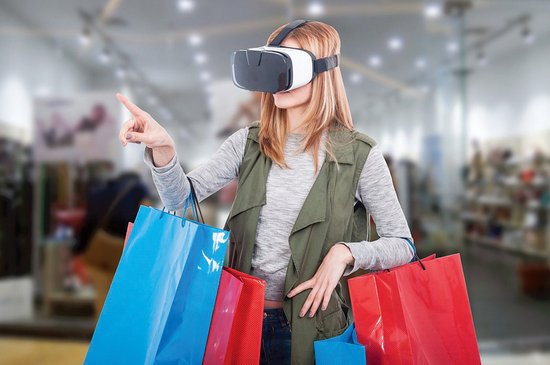
Introduction to the Digital Transformation in Retail
The retail trade has witnessed a profound transformation over the previous decade, primarily pushed by developments in digital expertise. The mixing of digital instruments has not solely modified shopper expectations however has additionally redefined the operational panorama for retailers. On this article, we’ll study the numerous function digital instruments play in reshaping purchasing experiences, encompassing personalised engagement, synthetic intelligence, and omnichannel methods.
The inflow of digital options has modified the best way shoppers store—each on-line and offline. Providing comfort, customization, and on the spot entry to product info, these instruments have develop into very important for retailers seeking to preserve competitiveness. Improvements equivalent to e-commerce platforms, cellular functions, and social media have reshaped the purchasing journey from mere transactional interactions to immersive experiences that maintain shoppers engaged. Because the digital panorama continues to evolve, retailers should adapt to those adjustments or threat falling behind.
Based on McKinsey, 75% of shoppers have modified their purchasing conduct for the reason that pandemic, prioritizing on-line channels and anticipating companies to satisfy this new demand. The emergence of digital instruments is not only a pattern; it’s an important response to the continual evolution of shopper conduct and technological developments.
Key Drivers of Digital Transformation
There are a number of key drivers behind the shift in the direction of digital applied sciences in retail. At first are shopper expectations. At present’s shoppers, accustomed to the comfort and immediacy that expertise gives, count on a seamless purchasing expertise tailor-made to their particular person tastes. Retailers are thus compelled to leverage digital options to boost buyer satisfaction and loyalty. As reported in a examine by Deloitte, 80% of shoppers prioritize the personalization of their purchasing experiences, underscoring the necessity for retailers to satisfy these evolving calls for.
Subsequent, the rise of rising applied sciences has been instrumental within the digital transformation of retail. Improvements equivalent to synthetic intelligence (AI), augmented actuality (AR), and the Web of Issues (IoT) facilitate new retail options that improve shopper interactions. For instance, AR permits prospects to visualise merchandise of their surroundings earlier than making a purchase order, whereas AI-driven analytics can refine advertising and marketing methods and stock administration processes. Based on Forrester, the worldwide AI market in retail is projected to develop to $19 billion by 2025, reflecting its rising significance within the sector.
Lastly, the aggressive stress exerted by e-commerce giants equivalent to Amazon compels conventional retailers to undertake digital instruments to stay related. With the rise of digital-first purchasing experiences, shopper expectations for pace, effectivity, and personalization have grown. The necessity to innovate and match these experiences has created a way of urgency throughout the retail sector. A 2023 report from Statista factors out that almost 70% of shoppers have shifted to on-line purchasing, reiterating the necessity for retailers to advance their digital capabilities to maintain tempo with opponents.
Impression of COVID-19
The COVID-19 pandemic served as a catalyst for the digital transformation of the retail sector, accelerating the adoption of digital instruments and options. With many bodily shops quickly closed and shoppers confined to their properties, retailers had been compelled to pivot shortly in the direction of e-commerce and enhance their digital presence. A previous Nielsen analysis reported that on-line grocery purchasing surged by 300% in the course of the early months of the pandemic, revealing a big shift in shopper conduct.
Moreover, this unprecedented transition additionally laid the groundwork for companies to rethink their operational fashions. Many retailers adopted contactless fee choices, enhanced cellular purchasing experiences, and improved provide chain visibility as a part of their digital methods. The worth of a sturdy on-line presence grew to become obvious as those that had already invested in e-commerce options had been higher positioned to navigate the disaster and meet the altering shopper wants.
In essence, the pandemic has underscored the significance of digital instruments and prompted retailers to innovate and adapt swiftly. Because the world steadily stabilizes, the teachings discovered throughout this era will proceed to form the retail panorama, emphasizing expertise’s function in creating partaking and resilient purchasing experiences.
You may additionally like: Global Retail Expansion Strategies Enhanced by GPT Insights
Enhanced Buyer Engagement Methods
Digital instruments have revolutionized buyer engagement methods, enabling retailers to determine stronger relationships with shoppers. One of many major strategies for enhancing engagement is thru personalization. By leveraging information analytics, retailers can achieve profound insights into shopper preferences and behaviors, enabling them to design focused advertising and marketing campaigns. For instance, clothes retailers like ASOS make the most of algorithms to recommend objects primarily based on customers’ looking historical past, successfully rising engagement and driving gross sales.
Furthermore, advice engines powered by machine studying algorithms recommend merchandise {that a} shopper could also be desirous about, primarily based on previous purchases or related shopper conduct patterns. This personal touch not solely boosts conversion charges but in addition enhances buyer satisfaction, making a extra fulfilling purchasing expertise. Firms like Netflix have efficiently utilized such methods to ship tailored content material suggestions, setting a benchmark for different industries together with retail.
One other partaking technique includes creating an omnichannel expertise the place retailers combine numerous purchasing channels. This allows a seamless transition between on-line and offline environments, permitting prospects to conduct analysis on-line and full purchases in-store—or vice versa. The rise of click-and-collect providers has gained recognition as shoppers admire the comfort of buying objects on-line and choosing them up at a close-by location. Based on Shopify, 63% of shoppers want to buy from retailers that supply a click-and-collect possibility, highlighting the importance of omnichannel retailing in assembly buyer expectations.
Interactive Engagement
The mixing of social media platforms has remodeled how retailers have interaction with prospects. Social media has develop into a potent device for interplay, enabling retailers to assemble suggestions, conduct surveys, and implement focused advertising and marketing efforts. Manufacturers like Glossier efficiently use social media to domesticate group engagement and leverage user-generated content material, permitting prospects to really feel extra linked to the model whereas offering worthwhile insights.
Furthermore, gamification in retail has enhanced buyer engagement by integrating game-like parts, equivalent to rewards packages, into the purchasing expertise. By encouraging shoppers to take part in actions, retailers create a way of pleasure that will drive repeat purchases. Firms like Starbucks have leveraged gamification successfully by rewarding prospects with stars for every buy, incentivizing them to have interaction extra steadily.
Lastly, the expansion of interactive applied sciences equivalent to augmented actuality (AR) additional enhances buyer engagement. Retailers can use AR to create immersive purchasing experiences that permit shoppers to visualise merchandise of their surroundings. As an illustration, IKEA’s AR app permits prospects to see how furnishings will match of their properties earlier than making a purchase order, considerably enhancing the probability of conversion and heightening buyer satisfaction.
The Integration of Synthetic Intelligence in Retail
Synthetic intelligence (AI) has emerged as a elementary part of digital instruments in retail, streamlining numerous operations and enhancing the general purchasing expertise. Probably the most vital functions of AI in retail is predictive analytics, which improves stock administration. By forecasting demand developments utilizing historic information and real-time insights, AI equips retailers with the flexibility to optimize stock ranges forward of time. This proactive method helps to scale back stockouts and overstock conditions, in the end resulting in improved buyer satisfaction and minimized operational prices.
The mixing of AI additionally facilitates dynamic pricing methods. Retailers can leverage superior algorithms to regulate costs in real-time, responding to adjustments in shopper conduct, market developments, or competitor pricing. This not solely maximizes profitability but in addition enhances the shopper purchasing expertise by offering fairer pricing and extra custom-made choices. For instance, Amazon’s pricing technique makes use of AI to often alter costs a number of occasions a day primarily based on demand fluctuations, giving them a aggressive edge within the retail panorama.
Moreover, AI-driven buyer service options like chatbots have remodeled the purchasing expertise by offering instant help. These digital assistants can reply frequent buyer inquiries, provide product suggestions, and facilitate transactions 24/7. Retailers like H&M and Sephora have efficiently carried out AI-powered chatbots, enhancing buyer interactions whereas permitting workers to deal with extra complicated points. The result’s a streamlined purchasing course of that caters to the wants of shoppers successfully.
Conclusion
Digital instruments have irrevocably modified the retail panorama, reshaping buyer experiences by way of enhanced engagement and operational effectivity. By implementing methods that leverage personalization, omnichannel experiences, and modern applied sciences like synthetic intelligence and augmented actuality, retailers can meet the evolving calls for of shoppers and keep aggressive in an more and more digital market. The continued transformation in retail is a testomony to the facility of expertise in creating significant purchasing experiences.
FAQs
- What are digital instruments in retail?
Digital instruments in retail consult with applied sciences and functions used to boost the purchasing expertise for shoppers and streamline operations for retailers. Examples embody e-commerce platforms, cellular functions, CRM methods, and AI-driven analytics instruments. - How does personalization impression retail purchasing?
Personalization enhances the retail purchasing expertise by tailoring product suggestions and advertising and marketing campaigns to particular person shopper preferences and behaviors. This may result in elevated buyer satisfaction and better conversion charges. - What’s the function of synthetic intelligence in retail?
Synthetic intelligence performs a significant function in retailers’ operations by way of functions like predictive analytics for stock administration, dynamic pricing methods, and AI-powered customer support options equivalent to chatbots. - How did COVID-19 impression retail digital transformation?
The COVID-19 pandemic accelerated the adoption of digital instruments in retail, pushing many shops to undertake on-line options and improve their digital presence shortly to cater to altering shopper behaviors and preferences. - What methods enhance buyer engagement in retail?
Methods that enhance buyer engagement embody leveraging information analytics for personalization, creating omnichannel experiences, integrating gamification parts, and using social media for interplay and suggestions assortment.
Featured Picture: Yandex


