
From Data to Insights: Leveraging AI in Martech for Predictive Analytics
 Kunal Dhameja,
1 year ago
16 min read
Kunal Dhameja,
1 year ago
16 min read
-
Table of Contents
- Introduction
- Understanding Predictive Analytics: The Role of AI in Modern Martech
- Transforming Raw Data into Actionable Insights with AI-Powered Martech
- Enhancing Customer Experience: Predictive Analytics in AI-Driven Marketing
- The Future of Martech: AI Innovations in Predictive Data Analysis
- Overcoming Challenges: Implementing AI for Predictive Analytics in Marketing Technology
- Q&A
- Conclusion
“Transforming Data into Foresight: AI-Driven Predictive Power in Martech”
Introduction
In the rapidly evolving landscape of marketing technology, the integration of artificial intelligence (AI) has emerged as a transformative force, reshaping how businesses understand and engage with their audiences. “From Data to Insights: Leveraging AI in Martech for Predictive Analytics” delves into the pivotal role AI plays in harnessing vast amounts of data to generate actionable insights. As companies strive to stay competitive, the ability to predict consumer behavior and market trends has become essential. This exploration highlights how AI-driven predictive analytics empowers marketers to anticipate customer needs, optimize campaigns, and drive strategic decision-making. By leveraging sophisticated algorithms and machine learning models, businesses can transform raw data into valuable foresight, enabling them to craft personalized experiences and achieve unprecedented levels of efficiency and effectiveness in their marketing efforts.
Understanding Predictive Analytics: The Role of AI in Modern Martech
In the rapidly evolving landscape of marketing technology, or martech, the integration of artificial intelligence (AI) has become a game-changer, particularly in the realm of predictive analytics. As businesses strive to understand consumer behavior and anticipate future trends, AI-driven predictive analytics offers a powerful tool to transform raw data into actionable insights. This transformation begins with the collection and processing of vast amounts of data, which AI systems can analyze with remarkable speed and accuracy. By leveraging machine learning algorithms, these systems can identify patterns and correlations that might elude human analysts, thus providing a deeper understanding of customer preferences and behaviors.
The role of AI in predictive analytics is multifaceted, encompassing data collection, analysis, and interpretation. Initially, AI systems gather data from a multitude of sources, including social media, customer interactions, and transactional records. This data is then processed to remove noise and enhance quality, ensuring that the subsequent analysis is based on reliable information. Once the data is prepared, AI algorithms take center stage, employing techniques such as regression analysis, clustering, and neural networks to uncover hidden patterns. These techniques enable marketers to predict future outcomes with a high degree of confidence, whether it be forecasting sales trends, identifying potential customer churn, or optimizing marketing campaigns.
Moreover, AI enhances the predictive analytics process by continuously learning and adapting to new data inputs. This dynamic capability allows businesses to remain agile in a constantly changing market environment. For instance, as consumer preferences shift or new competitors emerge, AI systems can quickly adjust their models to reflect these changes, ensuring that predictions remain relevant and accurate. This adaptability is crucial for businesses seeking to maintain a competitive edge, as it allows them to respond proactively to market dynamics rather than reactively.
In addition to improving the accuracy of predictions, AI-driven predictive analytics also facilitates more personalized marketing strategies. By understanding individual customer preferences and behaviors, businesses can tailor their marketing efforts to meet the specific needs and desires of their audience. This personalization not only enhances customer satisfaction but also increases the likelihood of conversion, as consumers are more likely to engage with content that resonates with their interests. Furthermore, AI can automate the delivery of personalized content, ensuring that the right message reaches the right person at the right time.
Despite the numerous advantages of AI in predictive analytics, it is important to acknowledge the challenges associated with its implementation. Data privacy concerns, for instance, are a significant consideration, as businesses must ensure that they are collecting and using data in compliance with relevant regulations. Additionally, the complexity of AI systems can pose a barrier to entry for some organizations, particularly those with limited technical expertise. However, as AI technology continues to advance and become more accessible, these challenges are likely to diminish, paving the way for broader adoption across industries.
In conclusion, the integration of AI in martech for predictive analytics represents a significant advancement in the ability of businesses to harness data for strategic decision-making. By transforming data into insights, AI empowers marketers to anticipate future trends, personalize customer interactions, and maintain a competitive edge in an ever-changing market. As technology continues to evolve, the potential for AI-driven predictive analytics to revolutionize marketing strategies is immense, offering exciting opportunities for businesses willing to embrace this innovative approach.
Transforming Raw Data into Actionable Insights with AI-Powered Martech
In the rapidly evolving landscape of marketing technology, the ability to transform raw data into actionable insights has become a cornerstone of strategic decision-making. As businesses strive to understand and anticipate consumer behavior, the integration of artificial intelligence (AI) in marketing technology, or martech, has emerged as a game-changer. By leveraging AI for predictive analytics, companies can not only interpret vast amounts of data but also forecast future trends, enabling them to stay ahead in a competitive market.
The journey from raw data to actionable insights begins with data collection. In today’s digital age, businesses have access to an unprecedented volume of data, ranging from customer interactions and social media engagements to transactional records and web analytics. However, the sheer volume of this data can be overwhelming, making it challenging to extract meaningful insights. This is where AI-powered martech tools come into play, offering sophisticated algorithms that can sift through massive datasets with remarkable speed and accuracy.
Once the data is collected, the next step involves data processing and analysis. AI technologies, such as machine learning and natural language processing, are adept at identifying patterns and correlations within the data that might be invisible to the human eye. These technologies can analyze customer behavior, segment audiences, and even predict future actions based on historical data. For instance, machine learning algorithms can identify purchasing patterns, enabling marketers to tailor their strategies to individual customer preferences and enhance personalization efforts.
Moreover, AI-driven predictive analytics can provide businesses with a forward-looking perspective. By analyzing past and present data, these tools can generate forecasts about future consumer behavior, market trends, and potential challenges. This predictive capability allows companies to make informed decisions, optimize marketing campaigns, and allocate resources more efficiently. For example, a retailer can use predictive analytics to anticipate demand for certain products during specific seasons, ensuring that inventory levels are aligned with consumer expectations.
In addition to enhancing decision-making, AI-powered martech also facilitates real-time insights. Traditional data analysis methods often involve time-consuming processes that delay the availability of insights. In contrast, AI technologies can process data in real-time, providing marketers with up-to-the-minute information that can be used to adjust strategies on the fly. This agility is particularly valuable in today’s fast-paced market environment, where consumer preferences can shift rapidly.
Furthermore, the integration of AI in martech is not limited to data analysis alone. AI can also automate various marketing tasks, such as content creation, customer segmentation, and campaign management. By automating these processes, businesses can free up valuable time and resources, allowing marketing teams to focus on strategic initiatives and creative endeavors.
As businesses continue to navigate the complexities of the digital age, the role of AI in transforming raw data into actionable insights will only grow in importance. By harnessing the power of AI-powered martech, companies can gain a deeper understanding of their customers, anticipate market trends, and make data-driven decisions that drive growth and innovation. In this way, AI is not just a tool for analysis but a catalyst for transformation, enabling businesses to unlock the full potential of their data and turn insights into impactful actions.
Enhancing Customer Experience: Predictive Analytics in AI-Driven Marketing
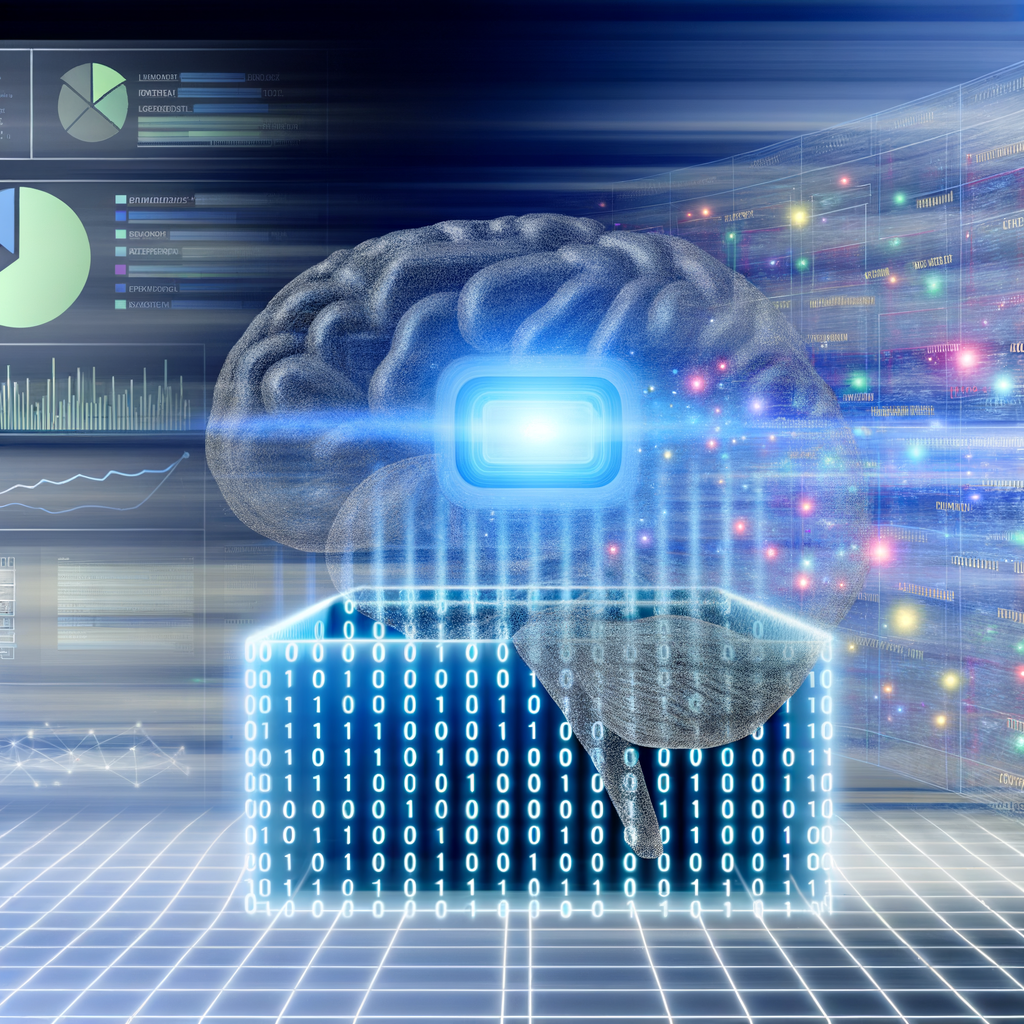
In the rapidly evolving landscape of digital marketing, the integration of artificial intelligence (AI) has become a game-changer, particularly in the realm of predictive analytics. As businesses strive to enhance customer experience, leveraging AI in marketing technology (Martech) offers unprecedented opportunities to anticipate consumer needs and tailor interactions accordingly. Predictive analytics, powered by AI, enables marketers to sift through vast amounts of data, uncovering patterns and trends that were previously hidden. This capability not only enhances decision-making but also transforms the way businesses engage with their customers.
At the heart of this transformation is the ability of AI-driven predictive analytics to process and analyze data at a scale and speed that is beyond human capability. By utilizing machine learning algorithms, businesses can predict future consumer behaviors based on historical data. This predictive power allows marketers to create personalized experiences that resonate with individual customers, thereby fostering loyalty and increasing satisfaction. For instance, by analyzing past purchase behaviors and browsing patterns, AI can predict what products a customer is likely to be interested in, enabling marketers to offer personalized recommendations and targeted promotions.
Moreover, predictive analytics in AI-driven marketing extends beyond mere product recommendations. It plays a crucial role in optimizing the timing and content of marketing messages. By understanding when a customer is most likely to engage, businesses can strategically time their communications to maximize impact. This level of personalization ensures that customers receive relevant information when they are most receptive, thereby enhancing the overall customer experience. Furthermore, AI can analyze sentiment from customer interactions across various channels, providing insights into customer preferences and pain points. This information is invaluable for crafting messages that resonate on a deeper emotional level, further strengthening the customer-brand relationship.
In addition to enhancing personalization, AI-driven predictive analytics also empowers businesses to optimize their marketing strategies. By identifying which campaigns are most effective and which channels yield the highest returns, marketers can allocate resources more efficiently. This data-driven approach not only improves the return on investment but also ensures that marketing efforts are aligned with customer expectations and market trends. Consequently, businesses can stay ahead of the competition by being more agile and responsive to changing consumer dynamics.
However, the implementation of AI in Martech is not without its challenges. Ensuring data privacy and security is paramount, as customers are increasingly concerned about how their data is used. Businesses must navigate these concerns by adopting transparent data practices and complying with regulations. Additionally, the integration of AI technologies requires a shift in organizational culture and processes. Companies must invest in training and development to equip their teams with the necessary skills to harness the full potential of AI-driven predictive analytics.
In conclusion, the integration of AI in Martech for predictive analytics is revolutionizing the way businesses enhance customer experience. By leveraging AI’s ability to analyze vast datasets and predict consumer behavior, marketers can deliver personalized and timely interactions that resonate with customers. This not only fosters loyalty and satisfaction but also optimizes marketing strategies for better resource allocation. As businesses continue to navigate the challenges of data privacy and organizational change, the potential of AI-driven predictive analytics in enhancing customer experience remains immense, promising a future where marketing is more intuitive, efficient, and customer-centric than ever before.
The Future of Martech: AI Innovations in Predictive Data Analysis
In the rapidly evolving landscape of marketing technology, the integration of artificial intelligence (AI) has emerged as a transformative force, particularly in the realm of predictive analytics. As businesses strive to understand and anticipate consumer behavior, AI-driven predictive analytics offers a powerful tool to convert vast amounts of data into actionable insights. This evolution is not merely a trend but a fundamental shift in how marketers approach data analysis, enabling them to make informed decisions with unprecedented accuracy and speed.
At the heart of this transformation is the ability of AI to process and analyze large datasets far beyond human capability. Traditional data analysis methods often struggle with the sheer volume and complexity of modern data. However, AI algorithms excel in identifying patterns and correlations within these datasets, providing marketers with a deeper understanding of consumer preferences and behaviors. By leveraging machine learning models, businesses can predict future trends, optimize marketing strategies, and ultimately enhance customer engagement.
Moreover, AI in martech is not limited to data analysis alone; it also plays a crucial role in data collection and management. With the proliferation of digital touchpoints, data is generated at an unprecedented rate. AI technologies, such as natural language processing and computer vision, enable marketers to gather and interpret data from diverse sources, including social media, customer reviews, and online interactions. This comprehensive data collection forms the foundation for more accurate predictive models, allowing businesses to tailor their marketing efforts to meet the specific needs and desires of their target audience.
Transitioning from data collection to actionable insights, AI-driven predictive analytics empowers marketers to move from reactive to proactive strategies. By anticipating customer needs and preferences, businesses can deliver personalized experiences that resonate with their audience. For instance, AI can predict which products a customer is likely to purchase based on their browsing history and previous interactions, enabling marketers to offer targeted recommendations and promotions. This level of personalization not only enhances customer satisfaction but also drives brand loyalty and increases conversion rates.
Furthermore, the integration of AI in martech facilitates real-time decision-making, a critical advantage in today’s fast-paced digital environment. Traditional marketing strategies often rely on historical data, which may not accurately reflect current market conditions. In contrast, AI algorithms continuously learn and adapt to new data, providing marketers with up-to-date insights that inform strategic decisions. This agility allows businesses to respond swiftly to changing consumer trends and market dynamics, maintaining a competitive edge in an ever-evolving landscape.
As we look to the future, the potential of AI in martech for predictive analytics is boundless. Emerging technologies, such as deep learning and neural networks, promise to further enhance the accuracy and efficiency of predictive models. Additionally, as AI becomes more accessible and user-friendly, businesses of all sizes will be able to harness its power, democratizing access to advanced analytics and leveling the playing field in the competitive world of digital marketing.
In conclusion, the integration of AI in martech represents a paradigm shift in how businesses approach data analysis and decision-making. By transforming raw data into valuable insights, AI-driven predictive analytics enables marketers to anticipate consumer needs, personalize experiences, and make informed decisions with confidence. As technology continues to advance, the role of AI in martech will undoubtedly expand, offering new opportunities for innovation and growth in the ever-evolving digital landscape.
Overcoming Challenges: Implementing AI for Predictive Analytics in Marketing Technology
Implementing AI for predictive analytics in marketing technology presents a myriad of opportunities, yet it is not without its challenges. As businesses strive to harness the power of artificial intelligence to transform raw data into actionable insights, they often encounter several obstacles that require strategic navigation. One of the primary challenges is the integration of AI systems with existing marketing technology infrastructures. Many organizations have legacy systems that are not inherently compatible with modern AI solutions, necessitating significant investment in both time and resources to ensure seamless integration. This process often involves updating or replacing outdated systems, which can be a daunting task for companies with limited budgets or technical expertise.
Moreover, data quality and availability pose significant hurdles in the implementation of AI for predictive analytics. AI systems rely heavily on large volumes of high-quality data to generate accurate predictions. However, many organizations struggle with data silos, where information is fragmented across different departments or systems, leading to incomplete or inconsistent datasets. To overcome this, companies must prioritize data governance and establish robust data management practices that ensure data is clean, consistent, and accessible. This often involves breaking down silos and fostering a culture of collaboration and data sharing across the organization.
In addition to technical challenges, there are also human factors to consider. The successful implementation of AI in marketing technology requires a workforce that is not only skilled in data analysis but also open to embracing new technologies. This necessitates ongoing training and development programs to upskill employees and equip them with the necessary knowledge to work alongside AI systems. Furthermore, there may be resistance to change from employees who fear that AI could replace their roles. To address this, organizations must communicate the value of AI as a tool that enhances human capabilities rather than replacing them, emphasizing the potential for AI to handle repetitive tasks and free up employees to focus on more strategic, creative endeavors.
Another challenge lies in the ethical considerations surrounding the use of AI in predictive analytics. As AI systems become more sophisticated, there is an increasing need to ensure that they operate transparently and fairly. This involves implementing ethical guidelines and frameworks that govern the use of AI, ensuring that predictions are not biased and that customer data is handled with the utmost care and privacy. Organizations must be proactive in addressing these ethical concerns to build trust with their customers and stakeholders.
Despite these challenges, the potential benefits of leveraging AI for predictive analytics in marketing technology are immense. By overcoming these obstacles, organizations can unlock valuable insights that drive more informed decision-making, enhance customer experiences, and ultimately lead to increased business growth. The key to success lies in adopting a strategic approach that addresses both the technical and human aspects of AI implementation. This includes investing in the right technology, fostering a culture of data-driven decision-making, and ensuring that ethical considerations are at the forefront of AI initiatives.
In conclusion, while the journey to implementing AI for predictive analytics in marketing technology is fraught with challenges, it is a journey worth undertaking. By navigating these obstacles with a thoughtful and strategic approach, organizations can transform data into powerful insights that propel them towards a more innovative and competitive future.
Q&A
1. **What is the role of AI in Martech for predictive analytics?**
AI in Martech enhances predictive analytics by processing large datasets to identify patterns and trends, enabling marketers to forecast customer behavior and optimize marketing strategies.
2. **How does AI improve customer segmentation in marketing?**
AI improves customer segmentation by analyzing data to create more precise and dynamic customer profiles, allowing for personalized marketing efforts and better targeting.
3. **What are some common AI techniques used in predictive analytics for marketing?**
Common AI techniques include machine learning algorithms, natural language processing, and neural networks, which help in analyzing data and predicting future trends.
4. **How can AI-driven predictive analytics impact marketing ROI?**
AI-driven predictive analytics can significantly improve marketing ROI by optimizing resource allocation, enhancing customer engagement, and reducing churn through more accurate predictions.
5. **What challenges might marketers face when integrating AI into their predictive analytics efforts?**
Challenges include data privacy concerns, the need for high-quality data, integration with existing systems, and the requirement for skilled personnel to manage and interpret AI outputs.
Conclusion
The integration of AI in marketing technology (Martech) for predictive analytics represents a transformative shift in how businesses understand and engage with their customers. By harnessing vast amounts of data, AI-driven predictive analytics enables marketers to anticipate consumer behavior, personalize customer experiences, and optimize marketing strategies with unprecedented accuracy. This approach not only enhances decision-making but also drives efficiency and effectiveness in marketing campaigns. As AI technology continues to evolve, its role in Martech will likely expand, offering even deeper insights and more sophisticated tools for predicting market trends and consumer preferences. Ultimately, leveraging AI in Martech for predictive analytics empowers businesses to stay competitive in a rapidly changing digital landscape, fostering innovation and growth.


