

-
Table of Contents
“Revitalize Your Inbox: Essential Tips for a Fresh Start This Spring!”
Introduction
Spring Cleaning Your Email List: Tips for March 2024
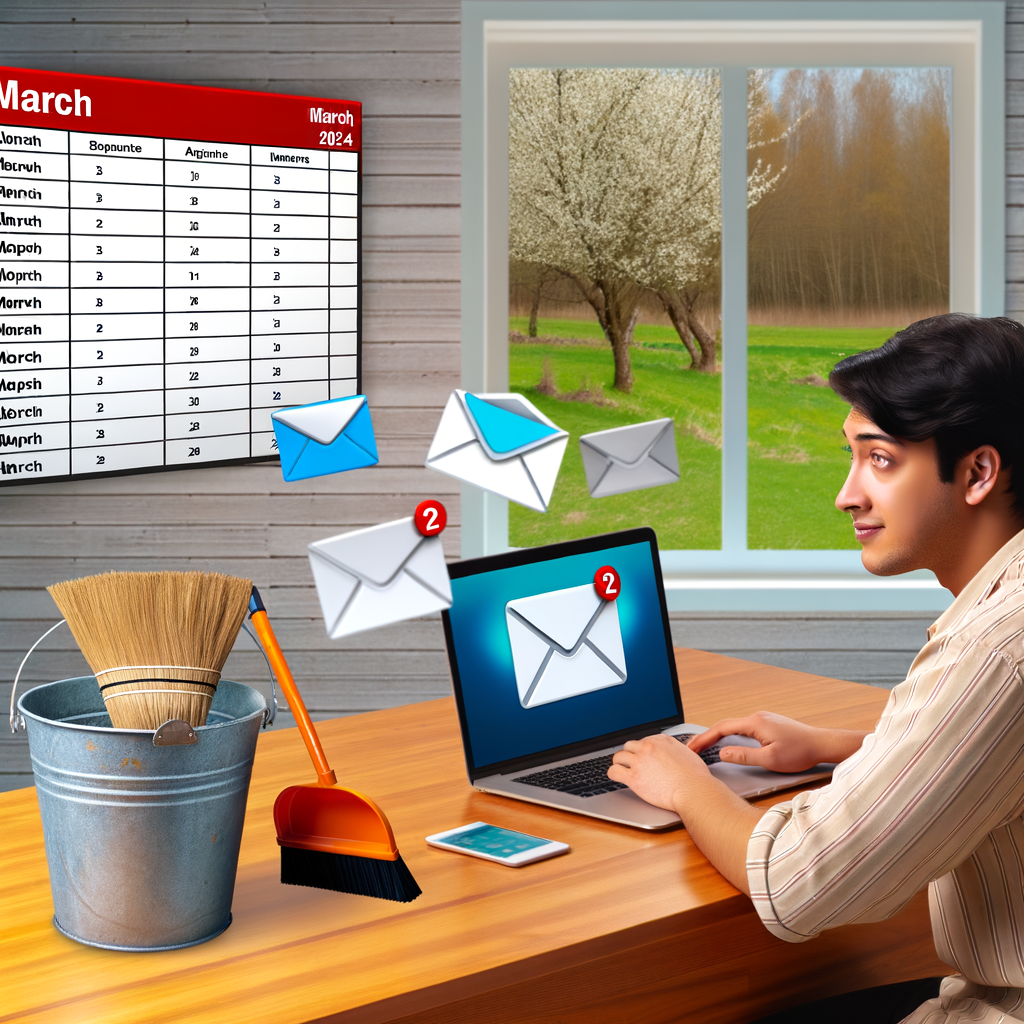
As the season of renewal approaches, March offers the perfect opportunity to refresh and revitalize your email marketing strategy. Just as you would declutter your home, spring cleaning your email list is essential for maintaining a healthy and effective communication channel with your audience. Over time, email lists can become cluttered with inactive subscribers, outdated information, and unengaged contacts, which can negatively impact your deliverability rates and overall campaign performance. By taking the time to clean and optimize your email list, you can improve engagement, increase open rates, and ensure that your messages reach the right people. In this guide, we’ll explore practical tips and strategies to help you effectively spring clean your email list, setting the stage for more successful and targeted email marketing efforts in 2024.
Importance Of Regular Email List Maintenance
In the digital age, where communication is predominantly electronic, maintaining a clean and efficient email list is crucial for businesses and marketers alike. As we approach March 2024, the concept of spring cleaning extends beyond physical spaces and into the virtual realm, emphasizing the importance of regular email list maintenance. This practice not only enhances the effectiveness of email marketing campaigns but also ensures compliance with data protection regulations and improves overall engagement rates.
To begin with, a well-maintained email list is essential for maximizing the return on investment (ROI) of email marketing efforts. Over time, email lists can become cluttered with inactive subscribers, outdated information, and invalid addresses. These elements can significantly hinder the performance of email campaigns, leading to lower open rates and reduced click-through rates. By regularly cleaning your email list, you can ensure that your messages reach an audience that is genuinely interested in your content, thereby increasing the likelihood of conversions and customer retention.
Moreover, maintaining a clean email list is vital for ensuring compliance with data protection regulations such as the General Data Protection Regulation (GDPR) and the California Consumer Privacy Act (CCPA). These regulations mandate that businesses handle personal data responsibly and transparently. By regularly updating and purging your email list, you demonstrate a commitment to data privacy and protection, which can enhance your brand’s reputation and build trust with your audience. Furthermore, it reduces the risk of incurring hefty fines associated with non-compliance, which can be detrimental to any business.
In addition to compliance, a clean email list contributes to improved deliverability rates. Internet service providers (ISPs) monitor the engagement levels of email campaigns to determine whether messages should be delivered to the inbox or relegated to the spam folder. High bounce rates and low engagement can negatively impact your sender reputation, making it more challenging for your emails to reach your subscribers. By removing inactive or unengaged subscribers, you can improve your sender reputation, ensuring that your emails land in the inbox where they are more likely to be seen and acted upon.
Furthermore, regular email list maintenance allows for more accurate data analysis and segmentation. With a clean list, you can better understand your audience’s preferences and behaviors, enabling you to tailor your content and offers to meet their specific needs. This level of personalization can lead to higher engagement rates and stronger customer relationships. Additionally, it allows you to allocate resources more efficiently, focusing your efforts on segments that are most likely to yield positive results.
As we embrace the spirit of spring cleaning this March, it is essential to recognize the importance of regular email list maintenance. By doing so, businesses can enhance the effectiveness of their email marketing campaigns, ensure compliance with data protection regulations, and improve overall engagement rates. In a world where digital communication is paramount, maintaining a clean and efficient email list is not just a best practice; it is a necessity for success. Therefore, take the time to review and update your email list, and reap the benefits of a more engaged and responsive audience.
Strategies For Identifying Inactive Subscribers
As the first signs of spring emerge, many businesses turn their attention to refreshing their strategies and resources, and one often overlooked area ripe for renewal is the email list. A well-maintained email list is crucial for effective communication and marketing, yet over time, it can become cluttered with inactive subscribers. Identifying and managing these inactive subscribers is essential for maintaining a healthy and engaged audience. As we approach March 2024, it’s the perfect time to consider strategies for identifying these inactive subscribers and revitalizing your email list.
To begin with, understanding what constitutes an inactive subscriber is key. Typically, an inactive subscriber is someone who has not opened or engaged with your emails over a specific period, often ranging from three to six months. However, the definition of inactivity can vary depending on your business model and email frequency. Therefore, it’s important to tailor your criteria to fit your unique circumstances. Once you have established what inactivity means for your list, the next step is to segment these subscribers for further analysis.
Segmentation is a powerful tool that allows you to categorize your subscribers based on their engagement levels. By creating a segment of inactive subscribers, you can focus your efforts on re-engagement strategies specifically designed for this group. This targeted approach not only helps in cleaning your list but also in understanding the reasons behind the inactivity. For instance, some subscribers may have lost interest in your content, while others might have changed their email preferences or simply missed your emails in a crowded inbox.
To effectively identify inactive subscribers, it’s essential to utilize email analytics. Most email marketing platforms offer detailed insights into subscriber behavior, such as open rates, click-through rates, and engagement history. By analyzing these metrics, you can pinpoint patterns of inactivity and identify subscribers who have consistently ignored your emails. Additionally, consider using tools that track email deliverability and engagement over time, as these can provide a clearer picture of subscriber activity.
Once you have identified your inactive subscribers, the next step is to implement a re-engagement campaign. This campaign should be designed to rekindle interest and encourage subscribers to interact with your content. Personalization is key here; by addressing subscribers by name and tailoring content to their preferences, you can create a more compelling and relevant experience. Offering incentives, such as exclusive discounts or access to premium content, can also entice inactive subscribers to re-engage.
However, despite your best efforts, some subscribers may remain unresponsive. In such cases, it may be time to consider removing them from your list. While this may seem counterintuitive, maintaining a lean and engaged list is more beneficial than having a large number of inactive subscribers. Removing these subscribers can improve your email deliverability rates and ensure that your messages reach those who are genuinely interested in your content.
In conclusion, spring cleaning your email list by identifying and managing inactive subscribers is a vital step in maintaining a healthy and effective communication strategy. By understanding inactivity, utilizing segmentation and analytics, and implementing targeted re-engagement campaigns, you can revitalize your email list and enhance your overall marketing efforts. As March 2024 approaches, take the opportunity to refresh your email list and set the stage for a successful year ahead.
Best Practices For Segmenting Your Email List

As the first signs of spring emerge, many businesses find it an opportune moment to refresh and rejuvenate their marketing strategies. One crucial aspect of this renewal process is spring cleaning your email list. By focusing on best practices for segmenting your email list, you can enhance engagement, improve deliverability, and ultimately drive better results from your email marketing campaigns.
To begin with, understanding the importance of segmentation is key. Segmentation involves dividing your email list into smaller, more targeted groups based on specific criteria. This allows you to tailor your messaging to meet the unique needs and preferences of each segment, thereby increasing the likelihood of engagement. As you embark on this process, consider starting with demographic segmentation. By categorizing your subscribers based on age, gender, location, or other demographic factors, you can craft messages that resonate more deeply with each group. For instance, a promotional offer that appeals to a younger audience might not have the same impact on an older demographic, and vice versa.
Moving beyond demographics, behavioral segmentation offers another layer of precision. This involves analyzing how subscribers interact with your emails and website. By identifying patterns such as purchase history, browsing behavior, or email open rates, you can create segments that reflect the varying levels of interest and engagement among your audience. For example, a segment of highly engaged subscribers who frequently open your emails and make purchases might be ideal candidates for exclusive offers or loyalty rewards. Conversely, a segment of less active subscribers might benefit from re-engagement campaigns designed to rekindle their interest.
In addition to demographic and behavioral segmentation, psychographic segmentation can provide valuable insights into the motivations and preferences of your subscribers. This approach delves into the attitudes, values, and lifestyles of your audience, allowing you to align your messaging with their intrinsic motivations. By understanding what drives your subscribers, you can create content that not only captures their attention but also fosters a deeper connection with your brand.
As you refine your segmentation strategy, it is essential to maintain a dynamic approach. Subscriber preferences and behaviors can change over time, so regularly reviewing and updating your segments is crucial. This ongoing process ensures that your messaging remains relevant and effective. Moreover, leveraging automation tools can streamline this task, allowing you to efficiently manage and update your segments based on real-time data.
Furthermore, personalization is a powerful complement to segmentation. By incorporating personalized elements into your emails, such as using the subscriber’s name or referencing past interactions, you can enhance the impact of your segmented campaigns. Personalization fosters a sense of individual attention and relevance, which can significantly boost engagement rates.
Finally, it is important to measure the effectiveness of your segmentation efforts. By analyzing key metrics such as open rates, click-through rates, and conversion rates for each segment, you can gain valuable insights into what works and what needs improvement. This data-driven approach enables you to refine your strategy continually, ensuring that your email marketing efforts yield the best possible results.
In conclusion, spring cleaning your email list through effective segmentation is a vital practice for any business looking to optimize its email marketing strategy. By understanding and implementing demographic, behavioral, and psychographic segmentation, and by embracing personalization and continuous evaluation, you can create more meaningful connections with your audience and drive greater success in your campaigns. As March 2024 unfolds, let this be the season where your email marketing efforts blossom into their full potential.
Tools And Techniques For Efficient Email List Cleaning
As the first signs of spring emerge, many businesses turn their attention to refreshing their strategies and operations. One crucial aspect that often requires attention is the health of your email list. A well-maintained email list is vital for effective communication and marketing efforts, ensuring that your messages reach the right audience. As we approach March 2024, it’s an opportune time to consider tools and techniques for efficient email list cleaning, which can significantly enhance your email marketing performance.
To begin with, understanding the importance of email list hygiene is essential. Over time, email lists can become cluttered with inactive subscribers, outdated addresses, and even spam traps. These issues can lead to decreased engagement rates, higher bounce rates, and potential damage to your sender reputation. Therefore, regular cleaning of your email list is not just a best practice but a necessity for maintaining a healthy and effective communication channel.
One of the first steps in cleaning your email list is to identify inactive subscribers. These are individuals who have not engaged with your emails over a specific period, typically six months to a year. By segmenting these inactive subscribers, you can target them with re-engagement campaigns. Such campaigns can include special offers, personalized content, or simply a reminder of the value your emails provide. If these efforts do not yield results, it may be time to remove these subscribers from your list to improve overall engagement metrics.
In addition to addressing inactive subscribers, it’s crucial to verify the validity of email addresses on your list. Email verification tools can be invaluable in this process, as they help identify invalid or potentially harmful addresses. These tools work by checking the syntax of email addresses, verifying domain validity, and even pinging the email server to ensure the address is active. By removing invalid addresses, you can reduce bounce rates and protect your sender reputation.
Moreover, employing segmentation techniques can further enhance the efficiency of your email list. By categorizing subscribers based on their behavior, preferences, or demographics, you can tailor your content to better meet their needs. This targeted approach not only increases engagement but also helps in identifying segments that may require further cleaning or re-engagement efforts.
Another effective technique is to implement a preference center for your subscribers. This allows individuals to update their information, select the types of content they wish to receive, and choose their preferred frequency of communication. By empowering subscribers to manage their preferences, you can ensure that your emails remain relevant and reduce the likelihood of unsubscribes or spam complaints.
Furthermore, it’s important to regularly review and update your email list cleaning practices. As technology and consumer behavior evolve, so too should your strategies. Staying informed about the latest tools and techniques can help you maintain an efficient and effective email list. Additionally, consider conducting periodic audits of your email marketing performance to identify areas for improvement and ensure that your list cleaning efforts are yielding the desired results.
In conclusion, spring cleaning your email list is a vital task that can significantly impact your marketing success. By utilizing tools and techniques such as identifying inactive subscribers, verifying email addresses, employing segmentation, and implementing a preference center, you can maintain a healthy and engaged audience. As March 2024 approaches, take the time to refresh your email list and set the stage for a successful year of communication and engagement.
How To Re-Engage Dormant Subscribers
As the first signs of spring emerge, many individuals turn their attention to decluttering and refreshing their surroundings. This seasonal renewal is not just limited to physical spaces; it can also extend to digital environments, such as your email list. March 2024 presents an ideal opportunity to re-engage dormant subscribers and breathe new life into your email marketing strategy. By focusing on re-engagement, you can enhance the effectiveness of your campaigns and foster stronger connections with your audience.
To begin with, understanding the reasons behind subscriber dormancy is crucial. Subscribers may become inactive for various reasons, such as changing interests, overwhelming inboxes, or simply forgetting about your brand. Identifying these factors can help tailor your re-engagement efforts more effectively. One approach is to segment your email list based on activity levels, allowing you to target dormant subscribers with personalized content that resonates with their past interactions.
Once you have identified your dormant subscribers, crafting a compelling re-engagement campaign is the next step. Start by creating a captivating subject line that piques curiosity and encourages opens. A well-crafted subject line can make the difference between an email that is ignored and one that is eagerly opened. Consider using phrases that evoke a sense of urgency or offer a special incentive, such as “We Miss You! Here’s a Special Offer Just for You.”
In addition to an enticing subject line, the content of your re-engagement email should be equally engaging. Personalization is key; addressing subscribers by their first name and referencing their past interactions can create a sense of familiarity and relevance. Moreover, offering exclusive incentives, such as discounts or access to premium content, can entice subscribers to re-engage with your brand. These incentives not only provide value but also demonstrate your appreciation for their continued interest.
Furthermore, incorporating interactive elements into your emails can significantly boost engagement. Interactive content, such as polls, quizzes, or surveys, invites subscribers to actively participate, making the experience more engaging and memorable. This approach not only captures attention but also provides valuable insights into subscriber preferences and interests, which can inform future marketing strategies.
As you implement your re-engagement campaign, it is essential to monitor its effectiveness. Analyzing key metrics, such as open rates, click-through rates, and conversion rates, can provide valuable insights into the success of your efforts. If certain strategies prove more effective than others, consider refining your approach to maximize engagement. Additionally, be prepared to let go of subscribers who remain unresponsive despite your best efforts. While it may seem counterintuitive, removing inactive subscribers can improve your email deliverability and ensure that your messages reach those who are genuinely interested.
In conclusion, spring cleaning your email list by re-engaging dormant subscribers is a strategic move that can revitalize your email marketing efforts. By understanding the reasons behind subscriber inactivity, crafting personalized and engaging content, and monitoring campaign performance, you can foster stronger connections with your audience and enhance the overall effectiveness of your email strategy. As March 2024 unfolds, seize the opportunity to refresh your approach and cultivate a more engaged and responsive subscriber base.
Q&A
1. **Why is spring cleaning your email list important?**
Spring cleaning your email list helps improve deliverability, engagement rates, and overall email marketing performance by removing inactive or unengaged subscribers.
2. **What is the first step in cleaning your email list?**
The first step is to identify inactive subscribers by analyzing engagement metrics such as open rates, click-through rates, and last interaction dates.
3. **How can you re-engage inactive subscribers?**
Send a re-engagement campaign with compelling content or offers, asking inactive subscribers if they wish to remain on your list or update their preferences.
4. **What should you do with subscribers who remain unengaged after re-engagement efforts?**
Remove or segment unengaged subscribers from your main list to maintain a healthy and active email list, ensuring better deliverability and engagement.
5. **How often should you clean your email list?**
Regularly clean your email list at least once every six months to maintain its health and effectiveness, with a more thorough review during spring cleaning.
Conclusion
Spring cleaning your email list in March 2024 is an essential practice for maintaining a healthy and effective email marketing strategy. By regularly updating and refining your list, you can improve engagement rates, reduce bounce rates, and enhance deliverability. Key steps include segmenting your audience, removing inactive subscribers, and ensuring compliance with data protection regulations. Additionally, personalizing content and re-engaging dormant subscribers can foster stronger relationships and increase conversion rates. Ultimately, a well-maintained email list not only boosts your marketing performance but also strengthens your brand’s reputation and customer loyalty.


